
It’s been five years since I first stepped onto the worn, uneven path of formal art education, yet the true journey began long before pigment ever touched canvas. I grew up in a creative home, where my mother’s gentle artistry whispered in the folds of everyday life. For years, my heart lingered on the edge, hesitant and tangled in a soft, persistent chorus of doubt, voices insisting I was not enough, not worthy of the artist’s name.
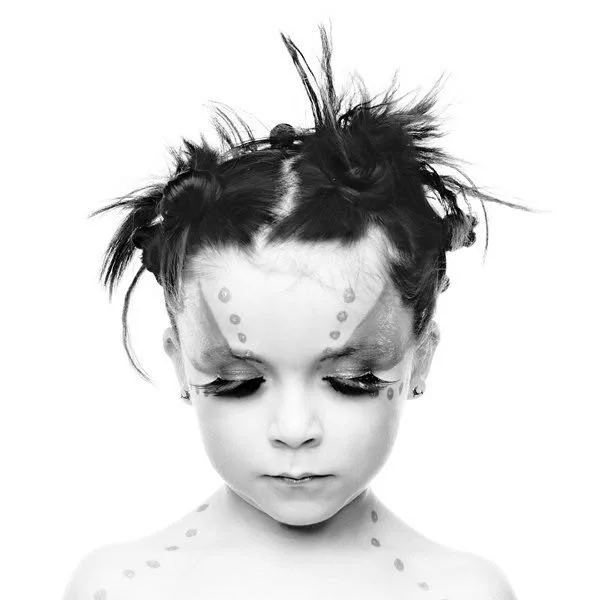
Thrown into lazy classrooms where guidance was scarce and care often missed its mark, I learned to wield uncertainty like a tool, carving a sanctuary from the raw stone of experience. Life drawing became my confession; mixed media, my rebellion; and finally, the earthy pull of clay, the cool, malleable flesh beneath my fingers, became my first true language. Each mark and form was a vessel, shaped by shadows of bullying, threaded with empathy, and anchored by the unwavering embrace of my family. What began as survival grew into expression, then blossomed into quiet transformation.
When I opened a window to my world on Twitch, streaming my creative process live, it was as if I had finally found my people. The studio was no longer a silent cage but a shared home, warmed by kindred spirits who understood the rhythm of making. Through that digital connection, I found healing, a space where I could quiet the noise of doubt and simply be: a maker, a storyteller, a witness.
One thing led to another, and I found myself studying in Scotland, a land of ancient stones, wild skies, and whispered histories. It was a place I had only dreamt of calling home. The landscape was daunting yet fertile, and in that raw beauty, my work began to unfurl into personal journeys: from theories of animation to sustainable sculpture, and finally, a quiet return to painting, reimagined and reborn.
Then, a single, fateful moment shifted everything. I stumbled upon a video by Jonna Jinton, and through her, discovered the sacred alchemy of natural pigment making. Watching her gather earth and stone, crushing them slowly into color, I glimpsed something ancient and profound. The act of making paint from the land itself became a meditation, grinding ochres and charcoals, sifting minerals through dusted fingers, blending them with natural binders. It was slow, tactile, grounding, a return to origins.
This practice taught me stillness, patience, and reverence. Each pigment carries its own story: ochre born from clay kissed by ancient tides; charcoal from fireplaces where warmth once danced; mineral blues mined from forgotten veins of earth. They are not mere colors but echoes of place, time, and memory, pigments that pulse with the rhythm of tides, the hush of waterfalls, the flicker of light on rippling water.
My canvases, often reclaimed from past lives, become landscapes of sedimented stories. I build them with layers of grout, sand, and soil, rough, imperfect, alive. Like geological strata shaped by erosion, each layer holds a fragment of time and place. Thin veins of gold thread across the surface, a quiet homage to kintsugi, the Japanese art of golden repair, where fracture is not erased but celebrated as a testament to resilience and grace. Every piece is christened with a Japanese name: a prayer for impermanence, a gesture of restoration, a poem woven from the earth’s ancient pulse.
Now, in the stillness before dawn, I wander the wild edges where earth meets sky, gathering whispers of color, stones, ochre-rich clay, and charcoal from ancient fires. Each fragment holds a story, a secret folded in sediment. I wash the stones clean, crush them in a granite mortar, and grind them to fine powders of ochre, sienna, and umber, earth’s palette revealed. Charcoal, brittle and sacred, blends with ash and mineral into deep, smoky pigment. With pouring medium, I coax the powders into paint, each mixture thickening into living color. The ochres glow like sunbaked earth, the charcoals smolder with quiet fire, the blues shimmer like a northern lake at dusk.
Painting with these handmade pigments slows the world. Each brushstroke becomes a meditation, a prayer to the soil, stone, and light that shaped them long before my hands ever did.
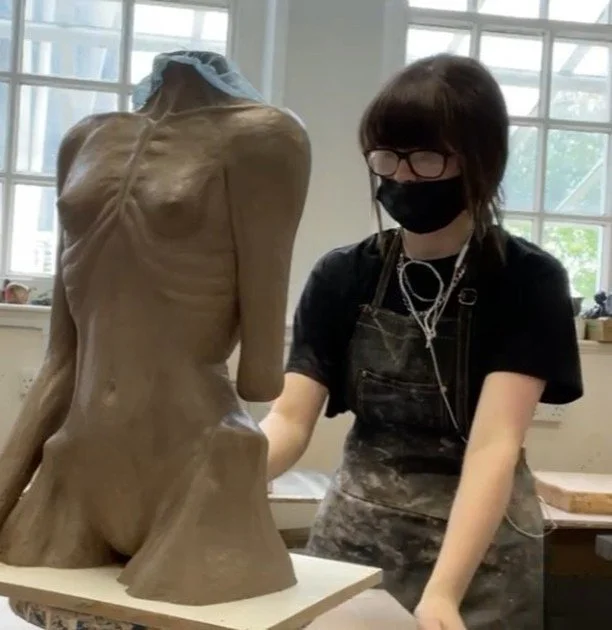
Here, at the confluence of nature, memory, and matter, I have found my voice. Not as a mirror of reality, but as a breath of feeling, a rhythm felt deep in the bones. This is my art: the slow dance of earth and time made visible, fragile yet enduring, an offering to the quiet poetry of becoming.
With love and minerals,
Ellie Jane